
Why High Schoolers Hesitate to Seek Help and How the Jessica Sosa Act Aims to Change That
In our previous post, we highlighted the alarming rise in opioid-related deaths among Texas teens. Today, we dive into a critical factor contributing to this crisis: fear. For high schoolers grappling with opioid misuse, fear can be a powerful deterrent, impacting their decision to seek help in the crucial moments of an overdose.
The High Stakes for High Schoolers
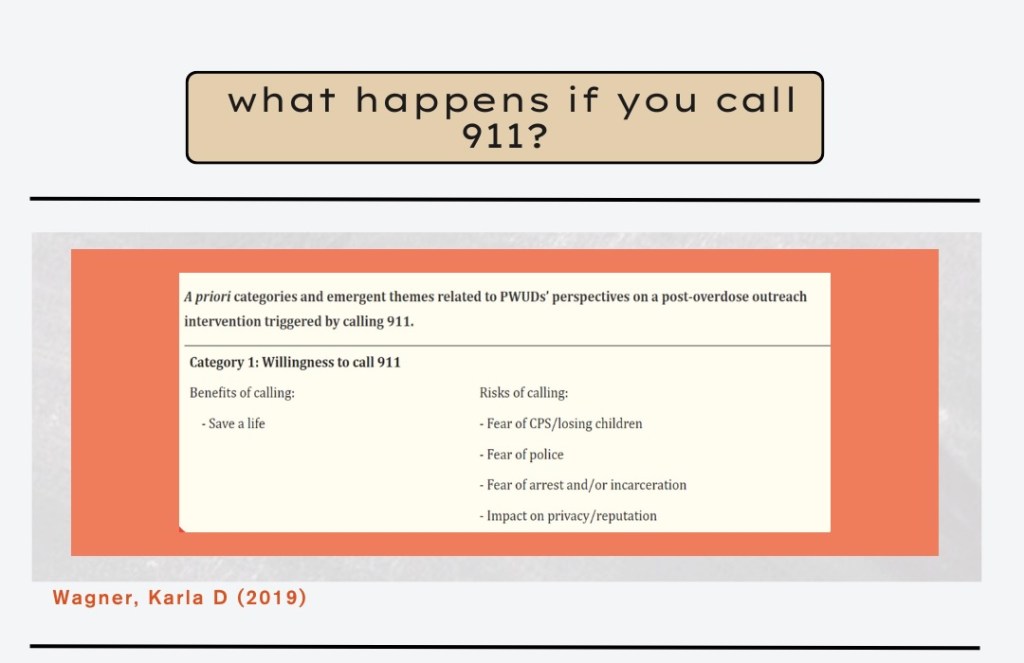
For teenagers, the fear of seeking help during an overdose isn’t just about immediate consequences—it’s also about the broader impact on their lives:
- Future at Risk: High schoolers are at a pivotal point in their lives, with their future academic and career opportunities hanging in the balance. The fear of legal trouble or a criminal record can overshadow their immediate need for medical assistance. Concerns about how a drug-related incident might affect their college applications, scholarships, and future career prospects can be overwhelming.
- Impact on Family: The thought of involving emergency services often brings worries about how their actions will affect their parents or guardians. Teens might fear disappointing their family, causing them emotional distress, or leading to strained relationships. The added pressure of potentially facing legal consequences can make the decision to call for help even more daunting.
- Privacy and Reputation: Adolescents are particularly sensitive to issues of privacy and social status. The fear of having their drug use exposed to peers, teachers, and family can be paralyzing. They may worry about being judged, stigmatized, or socially ostracized, which can deter them from reaching out for help even when it’s desperately needed.
Survey Insights: Real Concerns Among Students
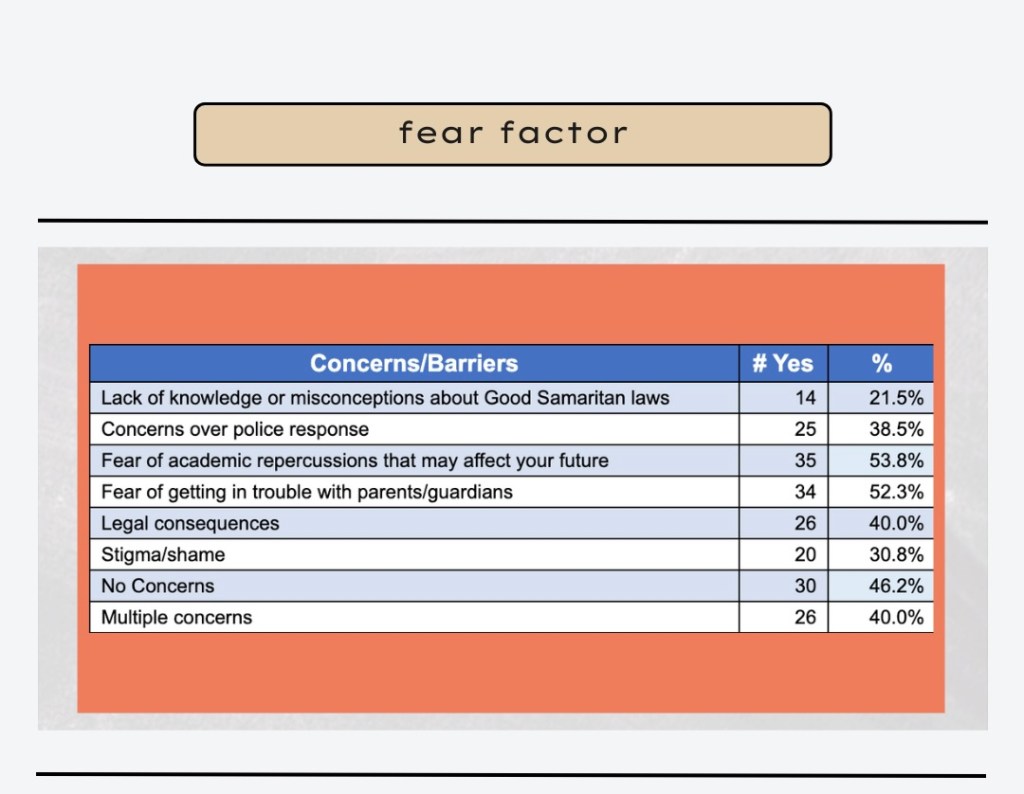
A recent survey conducted at Coppell High School, with a sample size of 65 students, sheds light on these fears. Although 78.5% of respondents indicated that they felt comfortable calling 911 if they or a friend were overdosing, there are notable concerns:
- Concerns About Calling for Help: Out of 51 students who expressed their concerns, 37 (72.5%) mentioned several reasons why they might hesitate to call emergency services, including fears of legal consequences, privacy issues, and impact on their reputation.
- Discomfort with Calling for Help: Additionally, 14 students (21.5%) were not comfortable with the idea of calling 911 at all, underscoring the significant barrier that fear represents.
The Jessica Sosa Act: Addressing the Fear
To tackle these fears, Texas implemented House Bill No. 1694, known as the Jessica Sosa Act, on September 1, 2021. This legislation is a crucial step towards creating a safer environment for high schoolers by providing legal protection:
- Legal Immunity: The act grants protection against prosecution (though not arrest) for the first person to call 911 in the event of an overdose. This legal shield helps alleviate the fear of criminal consequences, making it more likely that teens will seek help without worrying about legal repercussions.
- Focus on First-Time Overdosers: The act is designed with first-time callers in mind, recognizing that high schoolers are often experiencing drug-related issues for the first time. This targeted approach helps address their unique vulnerabilities and encourages them to act quickly in an emergency.
- Eligibility Requirements: While the act provides crucial protection, it’s important to note that those who have been convicted of a felony or used the protection in the past 18 months are not eligible. This ensures that the protection is used for genuine emergencies.
Looking Ahead
In our next post, we will explore other interventions and strategies that can further support teens in overcoming the barriers to seeking help. Stay tuned as we continue to examine how we can effectively address and combat the opioid crisis among high school students.
 Rise Above
Leave a comment