Effective Interventions During an Overdose: A Closer Look at Life-Saving Measures
In our previous post, we discussed how fear can prevent high schoolers from seeking help during an overdose and highlighted the impact of the Jessica Sosa Act in alleviating some of that fear. Today, we shift our focus to various life-saving interventions that can make a crucial difference in overdose situations.
When it comes to addressing an opioid overdose, timely and effective interventions are critical. Here’s a look at some of the key methods that can help save lives:
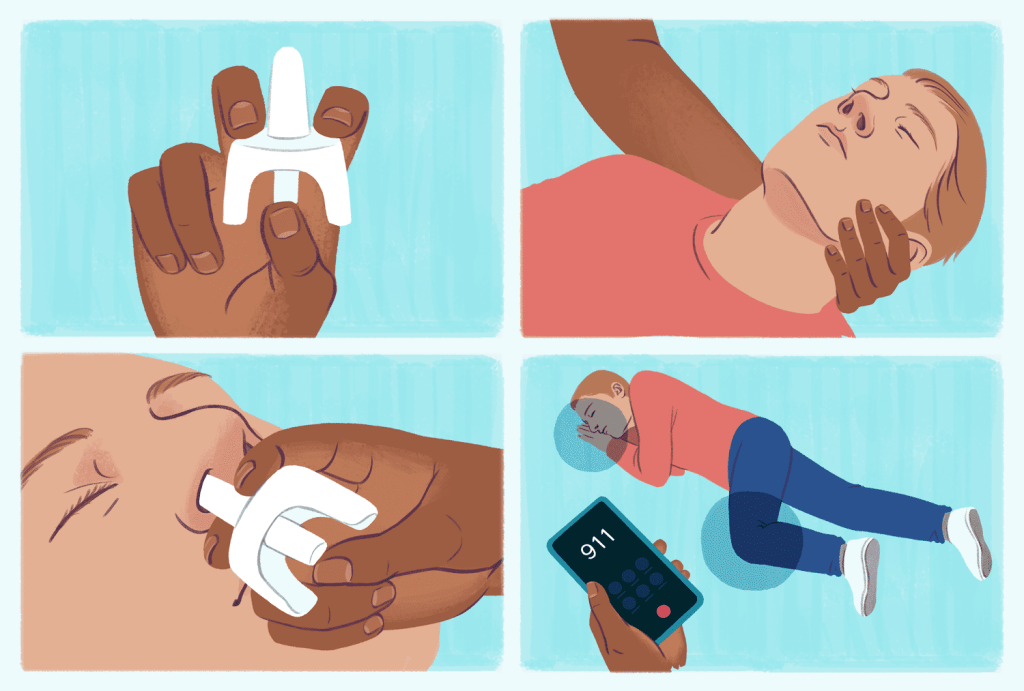
1. Naloxone (Narcan)
What It Is: Naloxone, commonly known by the brand name Narcan, is a medication designed to rapidly reverse opioid overdose. It works by binding to the same receptors in the brain that opioids attach to, effectively displacing the opioid and reversing its effects.
How It Works: Naloxone can be administered via a nasal spray or an injection. It starts to work within minutes, helping to restore normal breathing and consciousness in individuals who have overdosed on opioids.
Availability: Naloxone is available without a prescription in many states, including Texas, and can be obtained from pharmacies, health departments, and community organizations. It’s crucial for schools, homes, and public spaces to have naloxone on hand.
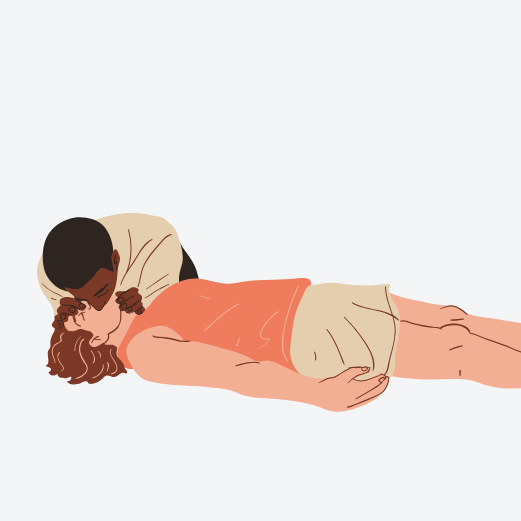
2. Rescue Breathing
What It Is: Rescue breathing involves providing artificial ventilation to an individual who is not breathing or whose breathing is insufficient due to an overdose.
How It Works: If someone is unresponsive and not breathing, rescue breathing can help provide oxygen to their lungs until emergency medical services arrive. This method involves giving breaths into the person’s mouth using a barrier device or face shield.
Importance: While waiting for naloxone or emergency services, rescue breathing can help maintain oxygen levels in the bloodstream and prevent brain damage or death.
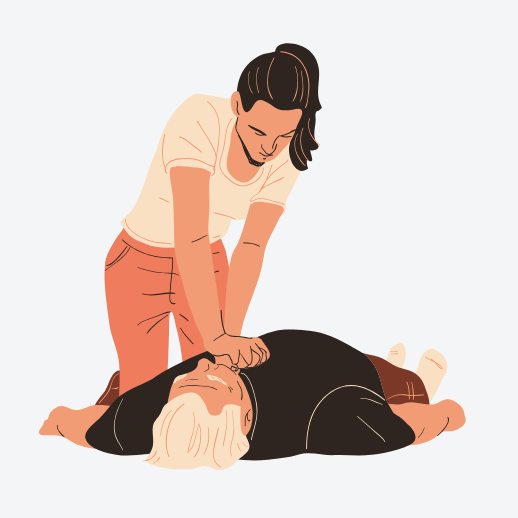
3. Chest Compressions
What It Is: Chest compressions are a critical component of cardiopulmonary resuscitation (CPR) used when someone is not breathing and has no pulse.
How It Works: Chest compressions involve pressing down hard and fast in the center of the person’s chest to help circulate blood and keep vital organs supplied with oxygen.
Importance: In cases where an overdose has led to cardiac arrest, chest compressions can help sustain life until professional medical help arrives.
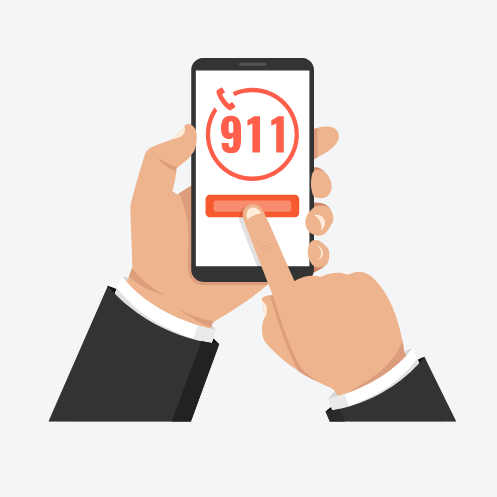
4. Calling 911
What It Is: Immediate contact with emergency services is one of the most crucial steps in an overdose situation.
How It Works: When you call 911, you provide emergency responders with critical information that can guide their response, including the type of substance involved and the person’s condition.
Importance: Professional medical intervention is essential for treating the underlying cause of the overdose and ensuring the individual receives comprehensive care.
Conclusion
Effective interventions during an overdose can make the difference between life and death. By understanding and utilizing tools like naloxone, rescue breathing, chest compressions, and calling 911, we can better equip ourselves to handle such critical situations.
In our next post, we’ll dive deeper into naloxone—exploring how it works, how to use it effectively, and why it’s such a vital tool in the fight against opioid overdoses. Stay tuned for more insights and tips on how to be prepared and make a difference!
 Rise Above
Leave a comment