Narcan: The Essential Guide to Understanding and Using Naloxone
When it comes to addressing opioid overdoses, Narcan (naloxone) stands out as a critical tool in saving lives. Whether you’re a high school student, a parent, or just someone looking to be informed, understanding Narcan can empower you to act swiftly in an emergency. In this post, we’ll explore what Narcan is, how it works, how to use it, and its availability and legality.
What is Narcan (Naloxone)?
Narcan is the brand name for naloxone, a medication specifically designed to reverse opioid overdoses. Opioids, such as heroin, fentanyl, and prescription painkillers, can cause life-threatening respiratory depression (slowed or stopped breathing). Naloxone works by rapidly displacing opioids from their receptors in the brain, thereby reversing the effects of the overdose.
How Does Narcan Work?
Mechanism of Action:
- Receptor Binding: Naloxone binds to opioid receptors in the brain, which are the same receptors that opioids attach to. By attaching to these receptors, naloxone blocks the opioids from binding and activates the receptors itself.
- Reversal of Effects: This process quickly restores normal breathing and consciousness in individuals experiencing an overdose. Naloxone can start working within 2 to 5 minutes after administration, often leading to immediate improvement.
Effectiveness:
- Rapid Response: Narcan can rapidly reverse the effects of opioid overdose, including respiratory depression, sedation, and loss of consciousness.
- Short Duration: It’s important to note that naloxone’s effects are temporary and may wear off before the opioids are completely cleared from the body. Therefore, even if Narcan is administered, emergency medical help should still be sought immediately.
How to Use Narcan
Forms of Narcan:
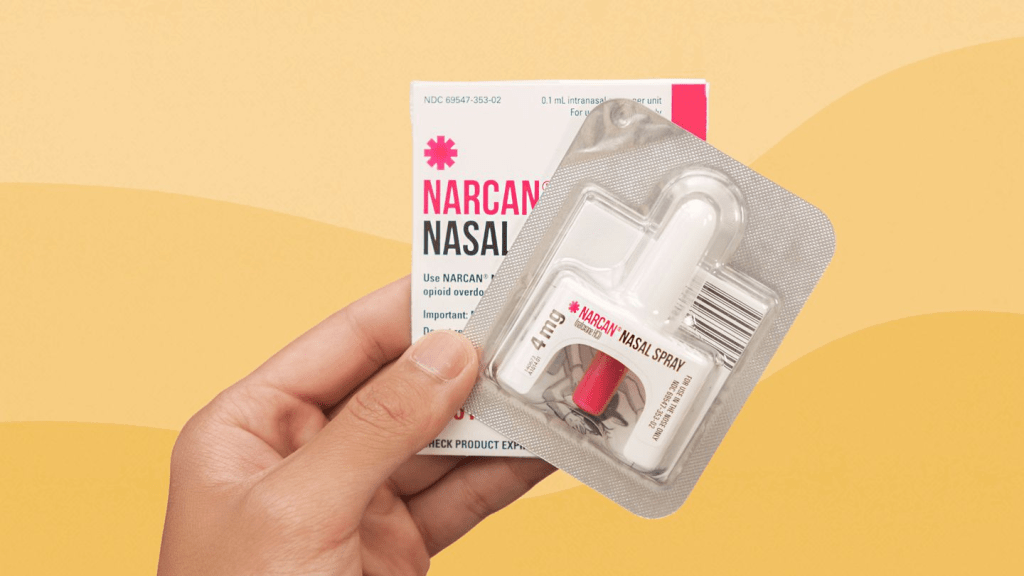
- Nasal Spray: The most common and user-friendly form. Narcan nasal spray is designed for easy administration and does not require any special medical training.
- Injection: Available as an intramuscular injection. It requires a syringe and needle and is typically used by medical professionals or trained individuals.
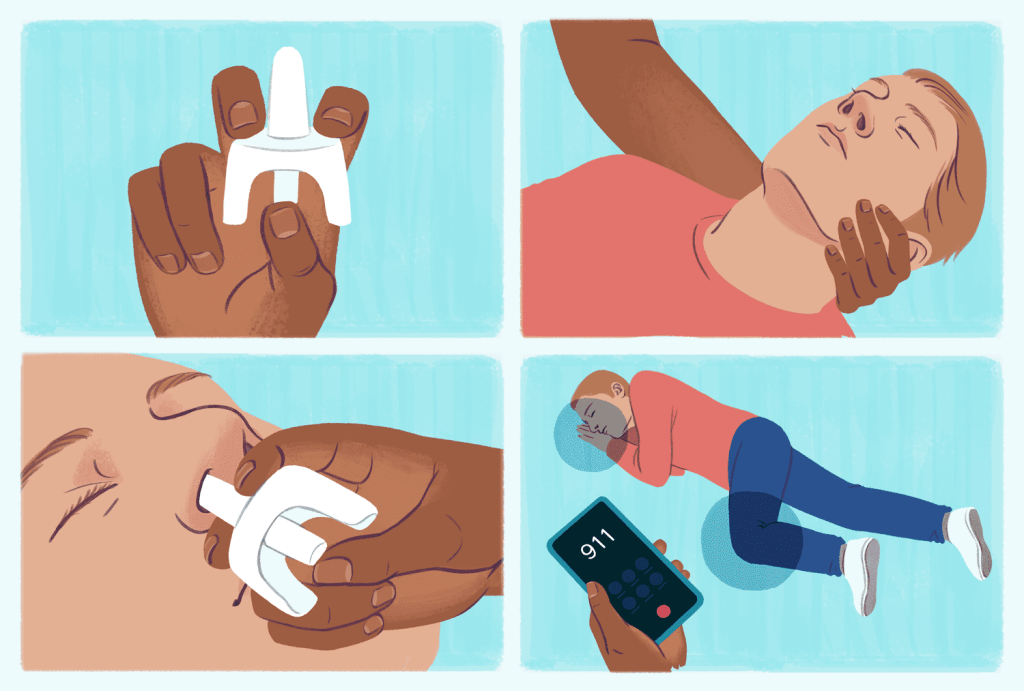
Steps for Administration (Nasal Spray):
- Check Responsiveness: Gently shake the person and call their name. If they do not respond and are not breathing or breathing very slowly, it’s time to use Narcan.
- Administer the Spray: Remove the Narcan spray from its package. Place the nozzle into one of the person’s nostrils and press the plunger firmly to release the medication.
- Wait and Observe: After administration, monitor the person closely. Naloxone usually takes effect within 2 to 5 minutes. If there is no improvement, a second dose may be needed. If the person doesn’t start breathing or regain consciousness, seek emergency medical help immediately.
Availability of Narcan
Where to Obtain:
- Pharmacies: In many states, including Texas, naloxone can be obtained without a prescription from pharmacies. Check local regulations as availability can vary.
- Health Departments: Local health departments often provide naloxone kits and training on how to use them.
- Community Organizations: Various community and non-profit organizations distribute naloxone and offer education on its use.
Cost:
- Insurance Coverage: Many insurance plans cover naloxone, and it may also be available at no cost through some programs and organizations.
- Out-of-Pocket Cost: The cost of Narcan can vary, but some programs offer it for free or at a reduced cost.
Legality and Regulations
Legal Protection:
- Good Samaritan Laws: In many states, including Texas, laws provide protection for individuals who administer naloxone in good faith during an overdose emergency. These laws generally protect against legal liability and ensure that people can act without fear of prosecution.
Conclusion
Narcan (naloxone) is a powerful and life-saving tool in the fight against opioid overdoses. By understanding how it works, how to use it, and where to obtain it, you can be prepared to act quickly and effectively in an emergency. Remember, naloxone is only one part of the solution—always seek professional medical help and continue to educate yourself and others about opioid safety and prevention.
In our next post, we’ll explore other life-saving interventions, such as rescue breathing and chest compressions!
 Rise Above
Leave a comment