Hello, readers! Welcome back to our series on life-saving interventions. Today, we’re spotlighting CPR (Cardiopulmonary Resuscitation), a crucial technique that can help sustain life during an overdose when the heart stops beating effectively. Let’s explore what CPR is, why it’s vital, and how to perform it correctly.
What Is CPR?
CPR Overview: Cardiopulmonary Resuscitation (CPR) is a life-saving technique used to restore blood flow and breathing in someone who has stopped breathing or whose heart has stopped beating. It combines chest compressions and rescue breaths to keep the blood circulating and oxygen flowing to vital organs until professional medical help arrives.
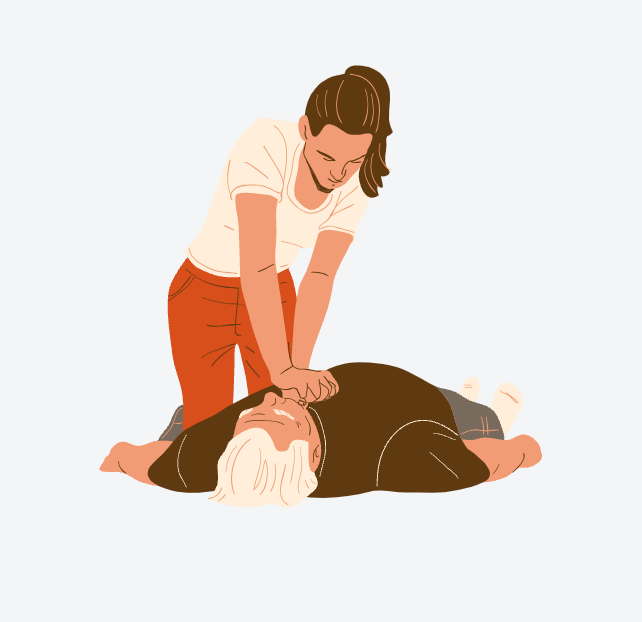
Why It Matters: During an opioid overdose, the respiratory system can fail, leading to cardiac arrest. CPR is essential for maintaining circulation and oxygenation, which can significantly improve the chances of survival and reduce the risk of long-term damage.
How Does CPR Work?
Mechanism of Action: CPR works by manually pumping the heart and providing oxygen to the lungs. Chest compressions simulate the heart’s pumping action, which helps circulate blood throughout the body. Rescue breaths deliver oxygen directly to the lungs, ensuring that the blood being circulated is oxygen-rich.
When to Use It: CPR should be performed when someone is unresponsive and not breathing or only gasping. It is a critical intervention in cases of cardiac arrest, including those caused by severe opioid overdoses.
How to Perform CPR:
**Click Step-by-Step Guide for a video tutorial**
Step-by-Step Guide:
- Ensure Safety: First, check that the environment is safe for both you and the person. If there are any hazards, address them before proceeding.
- Check Responsiveness: Gently shake the person and shout to see if they respond. If they don’t, check for breathing by looking, listening, and feeling for breath.
- Call 911: Immediately call 911 or ask someone else to do so. Professional medical help is essential.
- Start Chest Compressions:
- Position the Person: Place the person on their back on a firm, flat surface.
- Find the Right Spot: Locate the center of the chest, just below the nipple line.
- Perform Compressions: Place the heel of one hand on the center of the chest and the other hand on top of the first. Interlock your fingers and keep your arms straight.
- Push Hard and Fast: Press down hard and fast, aiming for a depth of about 2 inches (5 cm) and a rate of 100-120 compressions per minute. Allow the chest to fully recoil between compressions.
5. Give Rescue Breaths:
- Open the Airway: Tilt the person’s head back slightly and lift the chin to open the airway.
- Seal the Mouth: Pinch the person’s nose shut and cover their mouth with yours, creating a good seal.
- Give a Breath: Give a breath lasting about 1 second. Watch for the chest to rise. If it doesn’t, reposition the head and try again.
- Continue the Cycle: Perform 30 chest compressions followed by 2 rescue breaths. Continue this cycle of 30 compressions and 2 breaths until help arrives or the person starts to show signs of life.
6. Monitor: Keep an eye on the person’s condition. If they start breathing or regain consciousness, place them in the recovery position until emergency responders arrive.
Key Tips and Considerations
- Stay Composed: Keeping calm will help you perform CPR more effectively and provide reassurance to the person receiving help.
- Know Your Limits: CPR is a crucial temporary measure. Always seek professional medical assistance as soon as possible.
- Get Trained: Regular CPR training is recommended to ensure you’re prepared to act quickly and correctly in an emergency.
Wrapping Up
CPR is a vital skill that can greatly impact survival rates during an overdose emergency. By performing chest compressions and rescue breaths, you help maintain circulation and oxygenation until professional help arrives.
In our next post, we’ll explore additional life-saving interventions and how to incorporate them into your emergency response toolkit. Stay tuned to continue building your knowledge and skills for handling critical situations effectively! 🚑
 Rise Above
Leave a comment