For many, opioid use can begin as a way to manage pain or cope with stress, but it often spirals into a harmful addiction. However, there are healthy, non-destructive outlets that offer effective alternatives to opioids, especially for teens and young adults. These options not only help manage physical pain or emotional stress but also support long-term well-being without the risks of addiction.
Let’s explore some alternative outlets for both physical and emotional relief that don’t involve opioid use.
1. Physical Pain Relief Without Opioids
For individuals dealing with chronic or acute pain, opioids may seem like the most straightforward option, but there are safer, evidence-based alternatives that are equally effective.
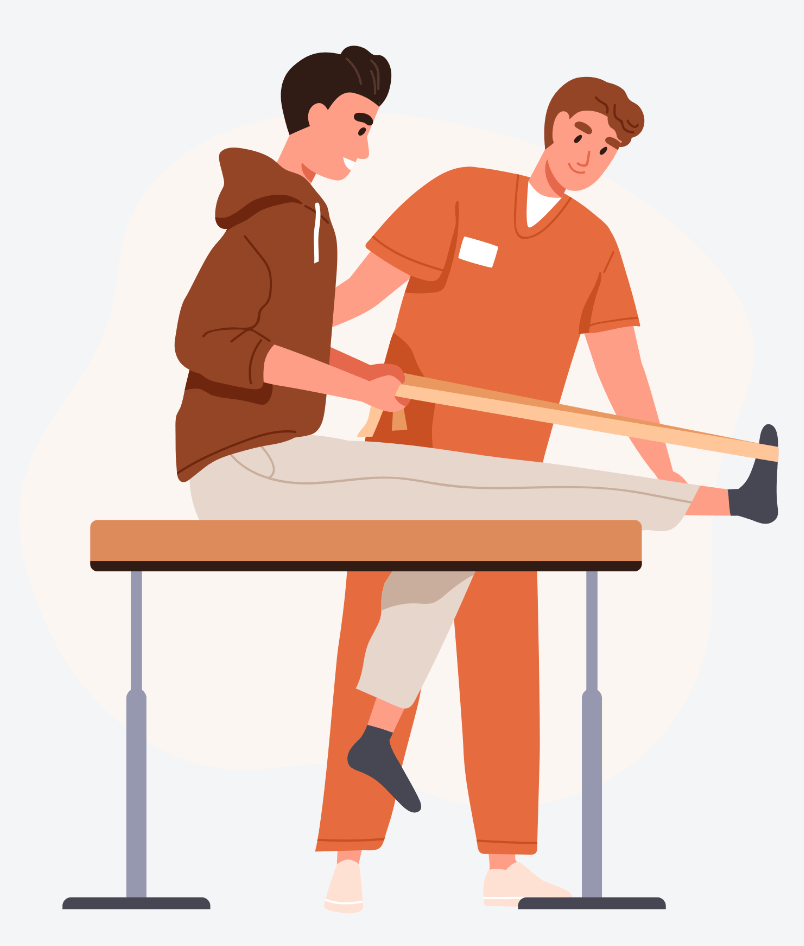
- Physical Therapy: One of the most effective ways to manage pain, especially for injuries or chronic conditions like back pain, is physical therapy. Through targeted exercises and stretches, physical therapy helps strengthen muscles, improve mobility, and reduce pain over time.
- Acupuncture: This ancient Chinese practice has been shown to help with pain relief by stimulating the body’s natural healing processes. Studies have demonstrated that acupuncture can alleviate pain from conditions such as migraines, arthritis, and even post-surgical pain.
- Massage Therapy: Regular massages can help ease muscle tension, improve circulation, and reduce pain. It’s a natural and relaxing way to manage chronic pain, especially when combined with other treatments.
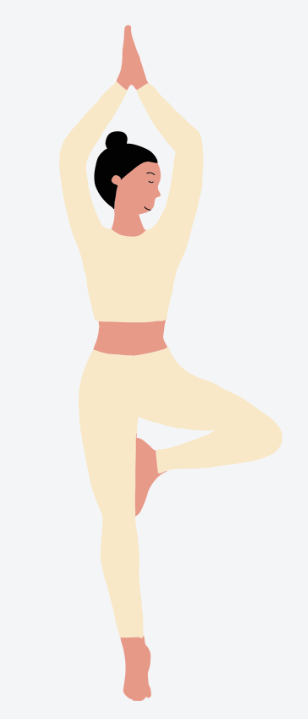
- Mind-Body Practices: Techniques like yoga, Tai Chi, and meditation work on the principle of connecting the mind and body to manage pain. Yoga, for example, improves flexibility and strength while also reducing stress, which can make pain more manageable. Meditation has been shown to alter pain perception by shifting focus away from discomfort.
- Heat and Ice Therapy: Using heating pads or cold packs can effectively manage localized pain. Heat therapy helps relax tight muscles, while ice can reduce inflammation and numb pain.
2. Managing Emotional Pain or Stress
Many people turn to opioids not just for physical pain, but also to cope with emotional struggles like anxiety, depression, or trauma. Finding healthier ways to manage these feelings is crucial for avoiding destructive behaviors.
- Talk Therapy (Counseling): Cognitive Behavioral Therapy (CBT) and other types of counseling provide tools for managing stress, anxiety, and depression. Therapy offers a safe space to process emotions and develop healthier coping mechanisms.
- Creative Expression: Art, music, writing, or other forms of creative expression allow you to process emotions in a non-verbal way. Painting, journaling, or playing an instrument can be powerful outlets for dealing with difficult feelings.
- Exercise: Regular physical activity is not only great for your body, but it also releases endorphins—the body’s natural mood lifters. Whether it’s running, dancing, swimming, or hiking, exercise can significantly reduce stress and improve overall mental health.
- Mindfulness & Meditation: Practices like mindfulness help you stay present and manage anxiety or depression. Studies have shown that regular mindfulness meditation can reduce stress and improve mood by helping individuals focus on the moment, rather than being overwhelmed by negative thoughts.
- Spending Time in Nature: Research shows that spending time in natural settings can significantly reduce stress, anxiety, and feelings of depression. Taking a walk in the park, hiking, or simply being outside can boost your mood and mental clarity.
- Social Connection: Having strong social support—whether it’s through friends, family, or support groups—plays a vital role in managing emotional pain. Connecting with others, sharing experiences, and feeling understood can be extremely beneficial when facing difficult times.
3. Developing Healthy Coping Mechanisms
Stress and emotional pain can’t always be avoided, but learning to cope with them in healthy ways is key to avoiding substance use as a solution.
- Healthy Routines: Establishing a consistent daily routine that includes exercise, time for relaxation, healthy eating, and sufficient sleep helps manage stress and maintain emotional balance.
- Hobbies and Interests: Pursuing hobbies that engage your mind and bring you joy can provide positive distraction and fulfillment. Whether it’s learning a new skill, playing a sport, or engaging in community service, hobbies keep you busy in constructive ways.
- Goal-Setting: Setting small, achievable goals can help build self-confidence and give you a sense of purpose. Focusing on your personal growth and celebrating your accomplishments—no matter how small—helps keep you motivated and away from negative coping mechanisms.
4. Peer Support & Recovery Programs
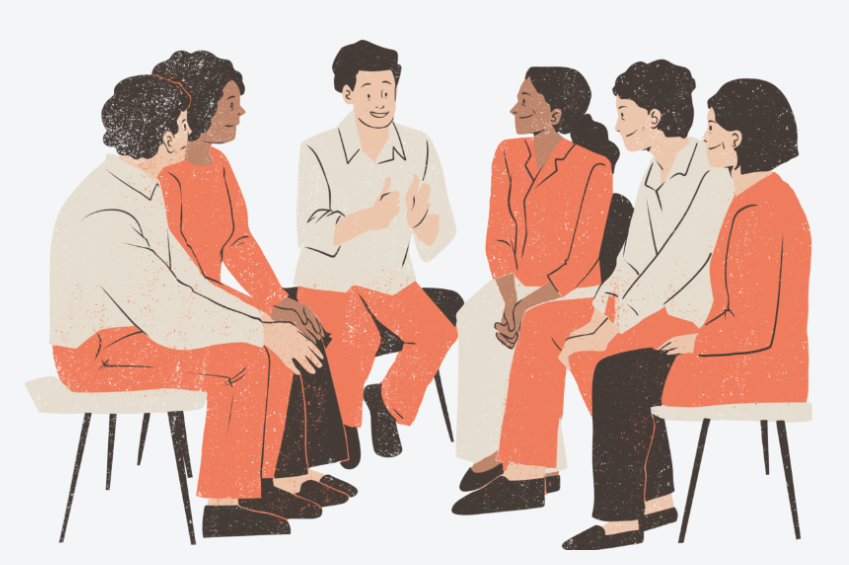
Sometimes the best way to avoid substance use is through community. Many recovery programs provide non-judgmental spaces where people can share their struggles and receive guidance on healthier outlets.
- Support Groups: Programs like Narcotics Anonymous (NA) or other local recovery groups offer peer support to those recovering from opioid addiction or trying to avoid it. In these groups, you can share your experiences, gain valuable insights, and find a supportive community.
- Youth Programs: Many schools and community centers have youth programs focused on substance abuse prevention and mental health. These programs provide education and support, helping teens make informed choices while building resilience against pressure.
Final Thoughts
While opioids may seem like a quick fix for pain or stress, they come with dangerous risks, including addiction. Thankfully, there are many non-destructive, healthy outlets available that can help manage both physical and emotional pain. Whether it’s through physical therapy, mindfulness, counseling, or peer support, these alternatives empower you to find relief in ways that don’t carry the devastating risks of opioid misuse.
In the next post, we’ll explore life-saving interventions you can use if you or someone around you is experiencing an opioid overdose—starting with how to administer Narcan (naloxone) and other emergency responses. Stay tuned!
 Rise Above
Leave a comment